
Introduction
Have you ever had a great story idea but struggled to turn it into a complete narrative? Maybe you created an amazing character, imagined a fictional world, or thought about an exciting plot twist, but writing everything from beginning to end felt overwhelming.
This is where storytelling bots can help.
Unlike simple AI text generators, modern storytelling bots are designed to assist with creative writing, character development, world-building, and interactive storytelling. They can help writers brainstorm ideas, create detailed scenes, improve dialogue, and maintain consistency across longer stories.
But with dozens of AI writing tools available today, choosing the right one can be confusing. Some tools are excellent for novels, while others work better for roleplay, interactive fiction, short stories, or creative experiments.
In this guide, we’ll compare the best storytelling bots for AI writing in 2026, explain how they work, explore their strengths and limitations, and help you choose the right tool based on your writing goals.
Whether you’re a fiction writer, game developer, roleplay enthusiast, or someone experimenting with creative writing, this guide will help you find an AI storytelling companion that fits your needs. If you are exploring broader technology solutions, you can also check out our guide on easy AI tools for beginners.
What Is a Storytelling Bot and How Does It Work?
A storytelling bot is an AI-powered tool that helps users create, expand, and improve stories through natural language conversations. It uses large language models (LLMs) to understand prompts, generate ideas, develop characters, and produce narrative content.
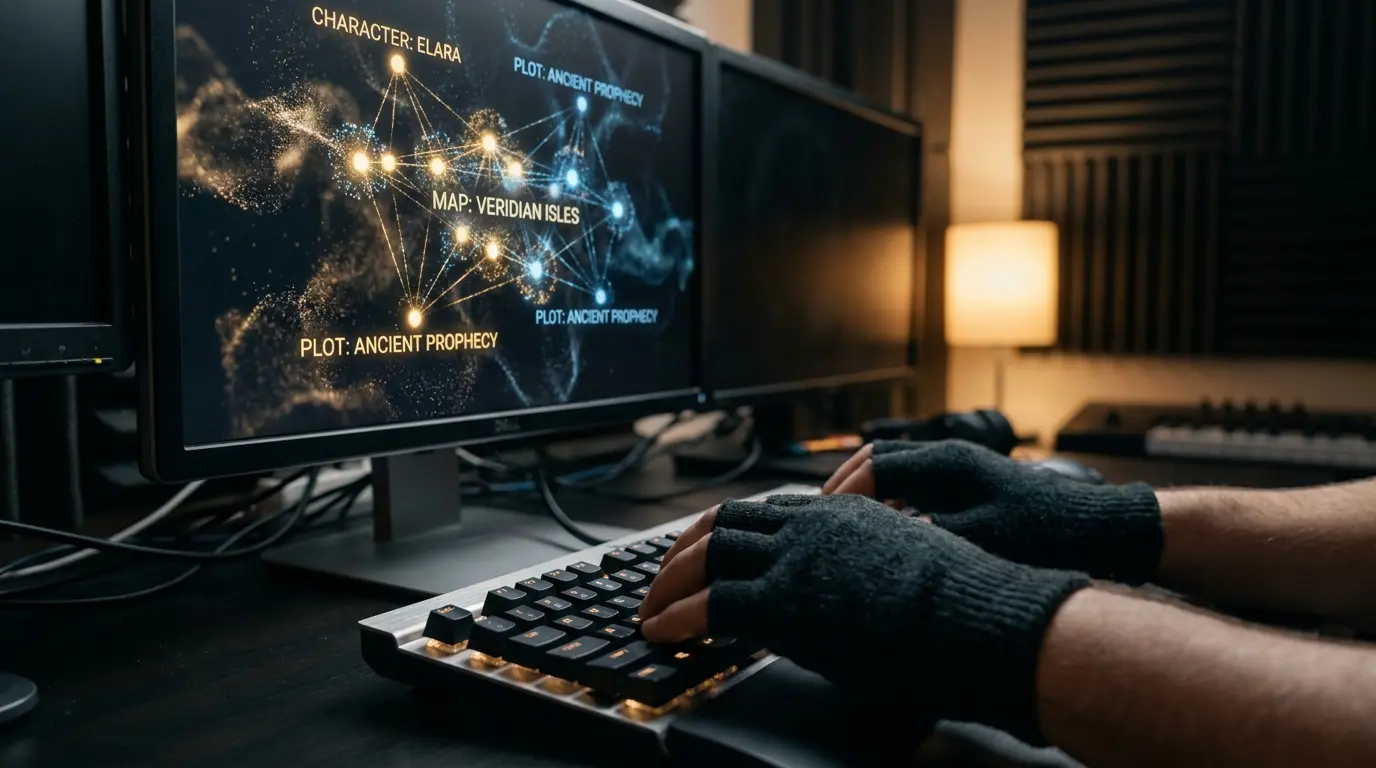
Simply put, a storytelling bot works like a creative writing partner. Instead of replacing the writer, it supports the creative process by helping with tasks that usually take hours of brainstorming.
For example, a writer can ask a storytelling bot:
- “Create a fantasy world with unique kingdoms and conflicts.”
- “Help me develop a mysterious villain character.”
- “Rewrite this dialogue to make it more emotional.”
- “Generate three possible endings for my story.”
The AI analyzes the instructions and creates content based on patterns it learned from large amounts of text.
However, modern storytelling bots are more advanced than basic story generators. Many now include features such as:
- Character memory
- Story outlines
- World-building tools
- Scene expansion
- Genre customization
- Interactive conversations
- Writing style adjustments
These features make them useful for both beginners and professional writers.
How AI Storytelling Bots Generate Stories
Most storytelling bots rely on large language models. These models predict and generate text by understanding relationships between words, concepts, and writing patterns.
For example, if you provide a prompt about a detective solving a mysterious case, the AI considers:
- Character personality
- Setting
- Conflict
- Previous instructions
- Desired writing style
Then it creates a continuation that matches the given context.
But here’s the catch: AI does not truly “understand” stories like humans do. It recognizes patterns and generates possible outcomes based on training data. That means writers still play the most important role in creativity, emotional depth, and final editing.
Storytelling Bots vs AI Writing Assistants: What’s the Difference?
Many people confuse storytelling bots with general AI writing assistants. While both use artificial intelligence, they are designed for different purposes.
An AI writing assistant usually focuses on improving existing content, such as:
- Blog posts
- Emails
- Marketing copy
- Reports
- Grammar correction
A storytelling bot focuses specifically on creative narratives.
The main difference is the type of support they provide.
| Feature | Storytelling Bots | AI Writing Assistants |
| Fiction writing | Excellent | Limited |
| Character creation | Strong | Basic |
| World-building | Advanced | Limited |
| Marketing content | Limited | Excellent |
| Story memory | Often available | Less common |
| Dialogue creation | Strong | Moderate |
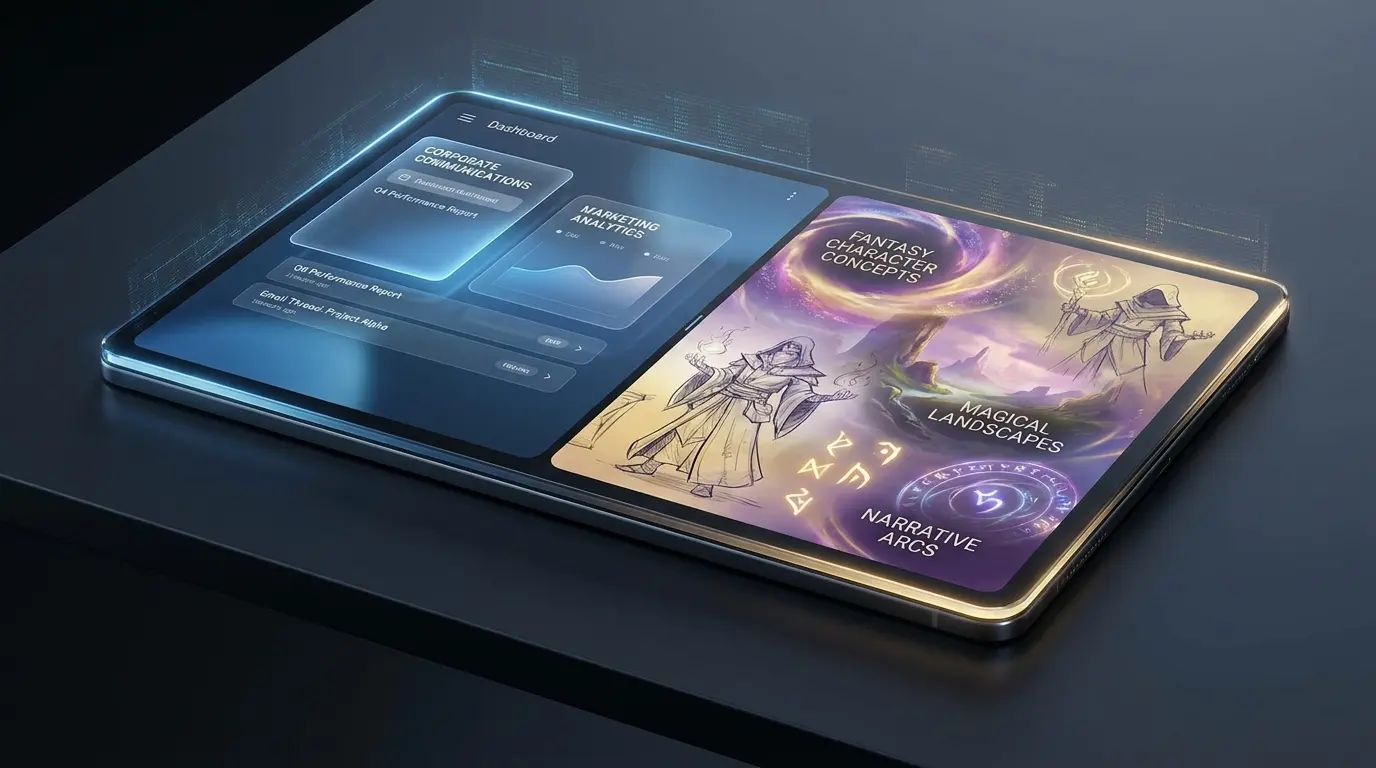
For example, a marketing AI might help you write a product description, but a storytelling bot can help you create a fantasy kingdom with political conflicts, character relationships, and a detailed history.
When Should You Use a Storytelling Bot?
A storytelling bot is useful when you need creative assistance, such as:
- Developing a new story idea
- Creating fictional characters
- Writing chapters or scenes
- Improving storytelling flow
- Building fictional worlds
- Creating game narratives
However, it works best as a collaborator rather than a replacement for human creativity.
Whether you are focusing on written narratives or exploring other digital media, AI offers incredible possibilities. If you create visual content for your stories, you can check out our guide on free AI video generators to expand your creative toolkit.
The strongest results usually come when writers combine AI-generated ideas with their own emotions, experiences, and editing skills.
How We Evaluated the Best Storytelling Bots in 2026
Choosing the best storytelling bot is not only about which tool creates the longest text. A useful AI writing companion needs to understand context, support creativity, and help writers maintain quality.
For this comparison, we evaluated storytelling bots based on several important factors:
1. Story Quality and Creativity
A good storytelling bot should produce engaging narratives with:
- Strong openings
- Interesting characters
- Natural dialogue
- Logical plot development
A tool that only produces generic stories will quickly become frustrating.
2. Character and Story Memory
Long stories require consistency. Characters should maintain their personality, goals, and relationships throughout the narrative.
Tools with memory features or story management systems usually perform better for:
- Novels
- Series writing
- Roleplaying campaigns
- Game narratives
3. Genre Flexibility
The best storytelling bots should work across multiple genres, including:
- Fantasy
- Science fiction
- Mystery
- Romance
- Horror
- Adventure
A flexible tool gives writers more creative freedom.
4. Ease of Use
A powerful AI tool is not useful if beginners cannot understand it.
We considered:
- Interface design
- Learning curve
- Prompt requirements
- Workflow simplicity
5. Pricing and Value
Some storytelling bots are free, while others require subscriptions.
A good paid tool should provide features that justify its cost, such as:
- Better memory
- More advanced controls
- Higher usage limits
- Professional writing features
Best Storytelling Bots Compared in 2026
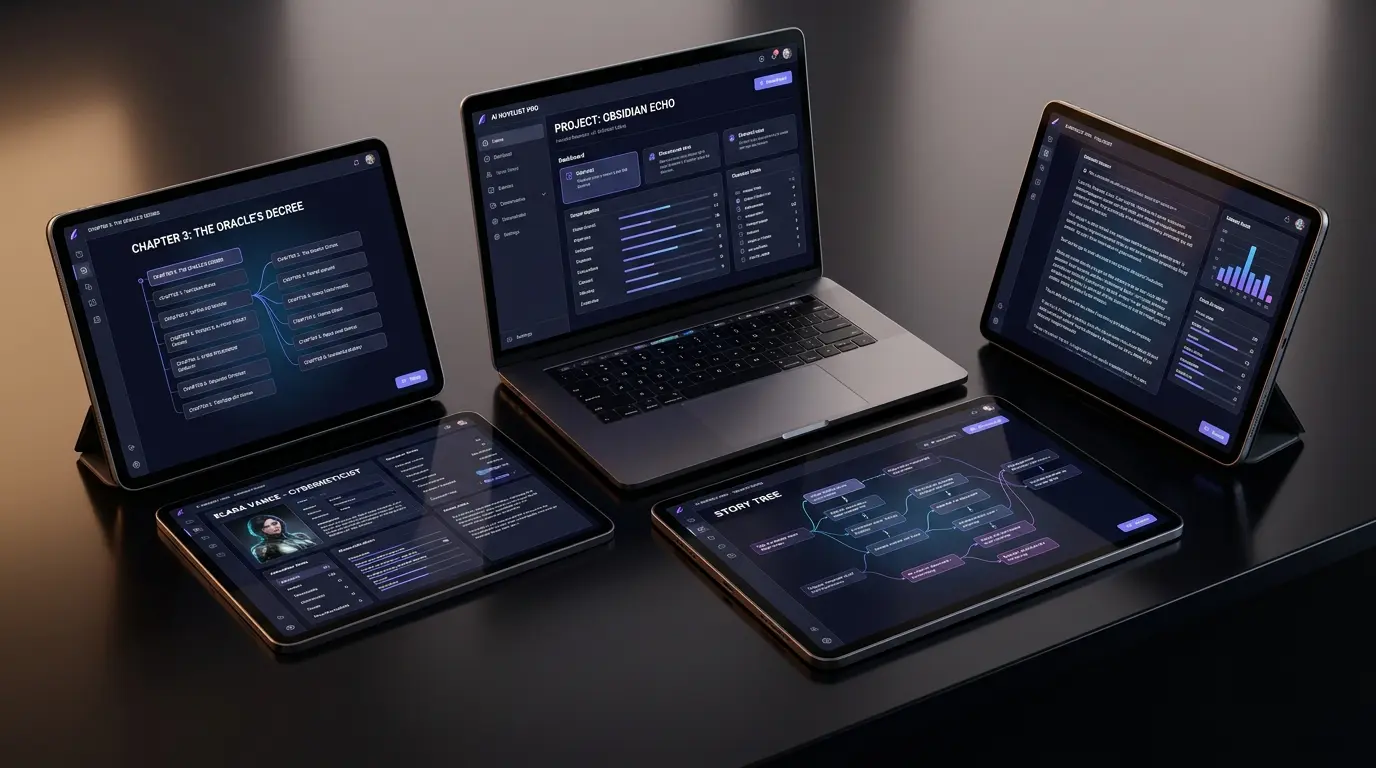
Before choosing a tool, it helps to understand how popular options compare.
| Tool | Best For | Memory | Free Option | Difficulty |
| Sudowrite | Fiction writers | Good | Limited | Easy |
| NovelAI | Fantasy & interactive fiction | Excellent | Limited | Medium |
| NovelCrafter | Professional authors | Excellent | No | Medium |
| ChatGPT | Brainstorming & general writing | Good | Yes | Easy |
| Claude | Long-form scenes | Excellent | Yes | Easy |
| Squibler | Structured writing projects | Moderate | Limited | Easy |
Each tool has different strengths. The “best” option depends on what type of writer you are and what you want to create.
A novelist looking for detailed chapters may need a different tool than a gamer building an interactive story world.
Best AI Storytelling Bots for Fiction Writers in 2026
Fiction writing requires more than generating random paragraphs. Writers need tools that understand characters, maintain story structure, create emotional moments, and support long-term creative projects.
The best storytelling bots for fiction writers act like creative partners. They help transform rough ideas into complete narratives while allowing the writer to control the direction of the story.
Here are some of the strongest options for fiction creators in 2026.
Sudowrite — Best Storytelling Bot for Fiction Writing
Best for: Novelists, short story writers, and authors who want help improving creative writing.
Sudowrite is one of the most popular AI storytelling tools built specifically for fiction. Unlike general AI assistants, it focuses on narrative writing, emotional descriptions, character development, and scene improvement.
Writers can use Sudowrite to:
- Expand basic story ideas
- Rewrite weak paragraphs
- Create descriptive scenes
- Improve dialogue
- Generate alternative plot directions
One of its strongest features is helping writers overcome creative blocks. For example, if a writer knows what should happen in a scene but cannot find the right words, Sudowrite can provide multiple approaches.
Key Features:
- Story engine for long-form fiction
- Character development assistance
- AI-powered rewriting
- Brainstorming tools
- Description generation
Limitations:
Sudowrite is designed mainly for creative writing, so it may not be the best choice for users who need marketing content, technical writing, or business documents.
Best choice for: Writers who want an AI assistant focused on storytelling quality rather than general productivity.
NovelCrafter — Best for Professional Novel Planning
Best for: Authors working on complex novels and long fiction projects.
NovelCrafter is designed for writers who need organization alongside AI assistance. It combines writing tools with planning features that help manage large stories.
Unlike simple chat-based storytelling bots, NovelCrafter focuses on structure.
Writers can organize:
- Characters
- Locations
- Story notes
- World information
- Chapter plans
This makes it useful for authors creating fantasy series, fictional universes, or stories with many characters.
Why Writers Choose NovelCrafter:
- Better story organization
- Character databases
- Planning tools
- AI writing assistance
- Long-form project management
Limitation:
Beginners may find the platform slightly overwhelming because it offers more advanced controls compared with simple AI chat tools.
Best choice for: Serious writers who want to manage complete books instead of individual scenes.
NovelAI — Best for Interactive Fiction and World-Building
Best for: Fantasy writers, roleplayers, and interactive fiction creators.
NovelAI is known for its focus on creative freedom and imaginative storytelling. It is especially popular among users creating fantasy worlds, alternative universes, and character-driven adventures.
The platform provides tools for:
- Story continuation
- Character creation
- World-building
- Custom writing styles
- Interactive narratives
One important advantage is its focus on maintaining creative control. Users can guide the AI instead of simply accepting automatically generated stories.
Strengths:
- Strong fantasy writing
- Creative storytelling style
- Good customization
- Useful for roleplay scenarios
Limitations:
It may require more prompt experimentation compared with beginner-friendly tools.
Best choice for: Writers who enjoy creating fictional worlds and interactive adventures.
Squibler — Best for Structured Story Creation
Best for: Beginners who want guided writing workflows.
Squibler helps users move from an initial idea to a structured story. It provides support for:
- Story outlines
- Chapter planning
- Draft generation
- Writing organization
This makes it helpful for people who have ideas but struggle with turning them into complete stories.
Strengths:
- Beginner-friendly interface
- Guided writing process
- Story planning features
Limitations:
Advanced fiction writers may want more control over character memory and world-building.
Best choice for: New writers looking for a simple way to start writing.
Best Storytelling Bots for Interactive Fiction and Roleplay
Not every writer wants to create a traditional novel. Some users want interactive adventures where characters respond dynamically and stories develop through conversations.
Interactive storytelling bots are especially useful for:
- Roleplaying games
- Character conversations
- Choose-your-own-adventure stories
- Virtual worlds
Character AI — Best for Character-Based Conversations
Character AI focuses on creating conversations with AI personalities.
Users can create or interact with characters that have:
- Unique personalities
- Specific backgrounds
- Different communication styles
It is useful for exploring fictional characters and creating dialogue-based stories.
However, it is better suited for conversations than professional novel writing.
ChatGPT — Best All-Purpose Storytelling Assistant
ChatGPT is one of the most flexible storytelling tools available.
While it is not built only for fiction, it can help with almost every stage of storytelling:
- Idea generation
- Character creation
- Plot development
- Scene writing
- Editing
- Story feedback
Its biggest advantage is flexibility.
A writer can move from brainstorming a story idea to improving dialogue and creating chapter outlines in the same conversation.
Best Uses:
- Story planning
- Creative brainstorming
- Writing experiments
- Editing assistance
Limitation:
Without detailed prompts and proper context, it may produce generic storytelling.
Claude — Best for Long Story Context
Claude is known for handling longer conversations and large amounts of text.
For writers, this can be useful when working with:
- Long chapters
- Detailed character notes
- Existing manuscripts
Its ability to process larger amounts of information helps maintain consistency during extended writing sessions.
For a deeper look at how leading models stack up, you can read our detailed Gemini versus Claude comparison.”
Best Uses:
- Reviewing chapters
- Improving scenes
- Analyzing character development
Limitation:
It may not offer as many dedicated fiction-writing features as specialized storytelling platforms.
Key Features to Look For in a Storytelling Bot
Choosing the right storytelling bot depends on more than popularity. The best tool should match your writing workflow.
Here are the features that matter most.
1. Memory and Story Consistency
Memory is one of the biggest challenges in AI storytelling.
A good storytelling bot should remember:
- Character personalities
- Important events
- Relationships
- World rules
- Previous chapters
Without memory, AI may create problems like:
- Changing character behavior
- Forgetting important details
- Creating contradictions
Writers can improve consistency by using:
- Character sheets
- Story summaries
- World-building documents
- Detailed prompts
2. Prompt Control
Better prompts create better stories.
Instead of writing:
“Write a fantasy story.”
Try:
“Write a dark fantasy scene about a young warrior discovering a hidden kingdom. Use emotional dialogue, detailed environments, and a mysterious atmosphere.”
More context gives the AI better direction.
3. Genre Support
A strong storytelling bot should adapt to different genres:
- Fantasy
- Science fiction
- Romance
- Horror
- Mystery
- Historical fiction
Writers should test whether a tool understands their preferred style before committing.
4. Editing and Improvement Features
Generating text is only one part of writing.
Useful storytelling bots should also help with:
- Improving sentences
- Strengthening dialogue
- Removing repetition
- Enhancing descriptions
- Adjusting tone
The best AI writing workflow combines creation and editing.
How to Create Better Stories Using AI Prompts
Many users think AI produces poor stories because the tool is weak. Often, the real problem is unclear instructions.
Good prompts provide direction.
Character Creation Prompt Example
Weak Prompt:
“Create a character.”
Better Prompt:
“Create a 35-year-old detective character for a mystery novel. Include personality traits, personal weaknesses, background history, motivations, and secrets that influence the story.”
World-Building Prompt Example
“Create a fantasy world with three competing kingdoms. Explain their history, political conflicts, unique cultures, and the major threat that could change the balance of power.”
Scene Writing Prompt Example
“Write a 1,000-word emotional scene where two childhood friends meet after ten years apart. Focus on realistic dialogue, hidden emotions, and unresolved conflict.”
How to Fix Repetitive AI Stories and Improve Story Quality
One common complaint about storytelling bots is that they sometimes produce repetitive or predictable stories. A character may start sounding the same, plot points may repeat, or the story may lose direction after several chapters.
The good news is that this problem can usually be reduced with better workflows.
AI does not automatically understand your entire story universe. It works with the information you provide. The more structured your instructions are, the better results you’ll get.
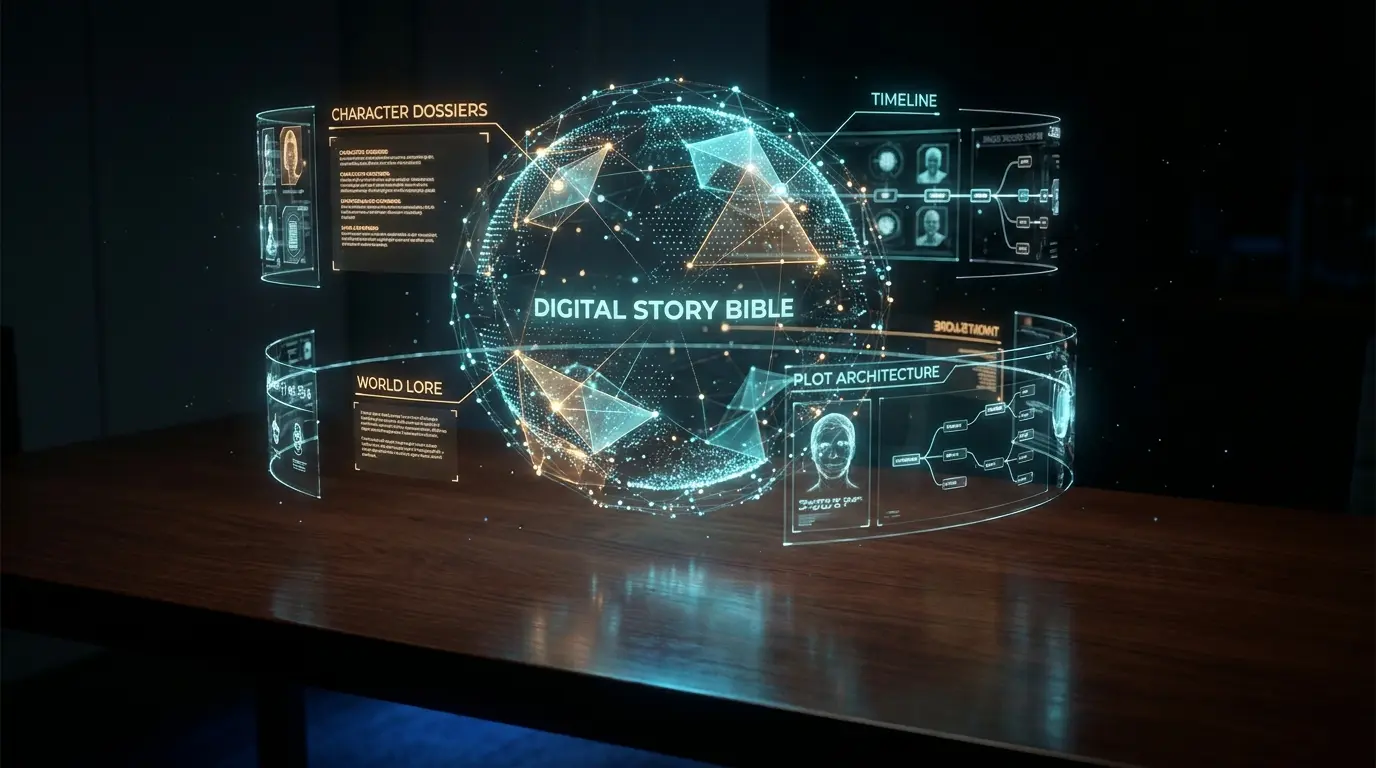
1. Create a Story Bible
A story bible is a document containing important information about your fictional world.
It can include:
- Character backgrounds
- Personality traits
- Relationships
- World rules
- Timeline events
- Important locations
For example, instead of repeatedly explaining that a character is a brave but emotionally distant warrior, save that information in a story document and provide it whenever needed.
This helps the AI maintain consistency throughout longer projects.
2. Give AI More Context
Short prompts often create generic results.
Instead of:
“Continue my story.”
Try:
“Continue this fantasy story from the previous chapter. Keep the main character’s personality unchanged, maintain the dark atmosphere, and introduce a conflict involving the forgotten kingdom mentioned earlier.”
Specific instructions guide the AI toward better storytelling decisions.
3. Ask for Multiple Options
One useful technique is asking the AI to generate alternatives.
For example:
“Give me five possible plot twists for this mystery story.”
This allows writers to choose the strongest ideas instead of accepting the first generated response.
4. Use AI as an Editor
Many writers use storytelling bots only for generating new content, but AI can also improve existing work.
You can ask it to:
- Make dialogue more natural
- Improve pacing
- Remove unnecessary descriptions
- Increase emotional impact
- Identify weak story sections
The strongest results usually come from combining human creativity with AI assistance.
Free vs Paid Storytelling Bots: Which One Should You Choose?
The right choice depends on your goals, writing experience, and how often you plan to use AI tools.
Free storytelling bots are useful for beginners who want to experiment, while paid platforms usually provide better features for serious writers.
| Feature | Free Tools | Paid Tools |
| Basic story generation | Yes | Yes |
| Advanced memory | Limited | Better |
| Long-form writing | Limited | Stronger |
| Custom controls | Basic | Advanced |
| Usage limits | Lower | Higher |
| Professional features | Few | More |
Choose Free Storytelling Bots If:
Free options are enough if you:
- Write occasionally
- Need brainstorming help
- Want to test AI writing
- Create short stories
Tools like free versions of ChatGPT, Claude, and other AI platforms can be useful starting points.
Choose Paid Storytelling Bots If:
A paid tool may be worth it if you:
- Write novels
- Manage large fictional worlds
- Need consistent characters
- Publish creative work
- Use AI regularly
Professional writers often benefit from features like better memory, larger context windows, and advanced writing controls.
Can You Publish Stories Created With AI?
Yes, you can use AI-generated content in creative projects, but there are important considerations.
AI should usually be treated as a writing assistant rather than a complete replacement for human authorship.
Before publishing AI-assisted stories, consider the following:
Copyright and Ownership
Copyright rules related to AI-generated content are still developing in many countries.
The safest approach is to add significant human contribution through:
- Original ideas
- Editing
- Creative decisions
- Personal writing style
- Story development
A completely AI-generated story may face different legal considerations compared with a story where AI assists a human creator.
Originality and Quality
AI can generate ideas quickly, but it may also create familiar patterns or predictable writing.
Human editing helps improve:
- Emotional depth
- Unique perspectives
- Character development
- Overall storytelling quality
Readers connect with authentic experiences and creative choices, not just automatically generated text.
Should You Tell Readers About AI Use?
Transparency depends on the platform, publisher, and purpose of your work.
Some creators openly mention AI assistance, while others only use AI privately for brainstorming and editing.
The best practice is to understand the rules of the platform where you publish.
Frequently Asked Questions
What is the best storytelling bot in 2026?
The best storytelling bot depends on your goals. Sudowrite is excellent for fiction writers, NovelAI works well for interactive fiction and world-building, while ChatGPT and Claude are flexible options for brainstorming and creative assistance. There is no single tool that works best for every writer.
Can AI write a complete novel using a storytelling bot?
Yes, AI can help create a complete novel, but human involvement is still necessary. Writers usually get better results by using AI for brainstorming, outlining, scene development, and editing instead of generating an entire book without review.
What is the best free storytelling bot?
Free versions of ChatGPT, Claude, and other AI writing tools can help beginners create stories, generate ideas, and improve writing. However, free tools often have limitations such as usage restrictions, smaller memory capacity, or fewer advanced features.
Which storytelling bot has the best memory?
Tools designed for long-form writing, such as NovelCrafter and NovelAI, often provide better story organization features. General AI models like Claude and ChatGPT can also handle longer context, but writers usually need to provide structured information for better consistency.
Can storytelling bots create characters and fictional worlds?
Yes. Modern AI storytelling tools can help create character personalities, backgrounds, relationships, locations, cultures, and fictional histories. However, writers should refine these ideas to make their stories more original and meaningful.
How do I stop an AI story bot from repeating itself?
To reduce repetition, provide detailed prompts, maintain a story bible, summarize previous chapters, and clearly explain what should and should not happen next. Giving AI better context usually produces more consistent results.
Are AI-generated stories legal to sell?
AI-assisted stories can be published and sold in many situations, but laws and platform policies vary. Adding human creativity, editing, and original ideas is important when creating commercial work.
Do I need writing skills to use a storytelling bot?
No, beginners can use storytelling bots without advanced writing skills. However, understanding basic storytelling concepts such as characters, conflict, pacing, and structure will help you create better results.
Can AI storytelling bots replace human writers?
No. Storytelling bots are powerful creative assistants, but they lack human emotions, personal experiences, and unique perspectives. The strongest stories usually come from collaboration between human imagination and AI support.
Final Verdict: Which Storytelling Bot Should You Choose?
The best storytelling bots in 2026 give writers more than simple text generation. They help with ideas, characters, world-building, editing, and creative exploration.

If you are a novelist looking for professional fiction support, tools like Sudowrite and NovelCrafter are strong choices. For fantasy worlds and interactive adventures, NovelAI offers specialized features. If you need a flexible assistant for brainstorming and writing experiments, ChatGPT and Claude remain excellent options.
The right tool depends on your writing style, project size, and creative goals.
The bottom line is simple: a storytelling bot works best when you use it as a creative partner, not a replacement for your imagination. With the right prompts, proper planning, and human editing, AI can help you turn ideas into engaging stories.
Start by choosing a tool that matches your needs, experiment with different workflows, and build a writing process that combines AI efficiency with your own creativity.